How to Prepare Your Driveway for Winter: Expert Tips


Inspect Your Driveway for Damage
As winter approaches, the first step in preparing your driveway is to thoroughly inspect it for any existing damage. Look for cracks, holes, or other signs of wear that could worsen with the freeze-thaw cycle. Addressing these issues now can prevent larger, more costly repairs later.
Use a pressure washer to clean the surface and make any damage more visible. This will also help with the next steps of your preparation process. Ensuring your driveway is clean and free of debris will allow repair materials to adhere better.
Repair Cracks and Potholes
After identifying any damage, the next step is to repair it. Small cracks can be filled with a concrete or asphalt filler. For larger potholes, consider using a cold patch asphalt. Make sure to follow the manufacturer's instructions for the best results.
Properly sealing these areas will help prevent water from seeping in and freezing, which can cause further expansion and damage. Take your time with this step, as a well-repaired driveway will be more resilient to winter conditions.
Seal Your Driveway
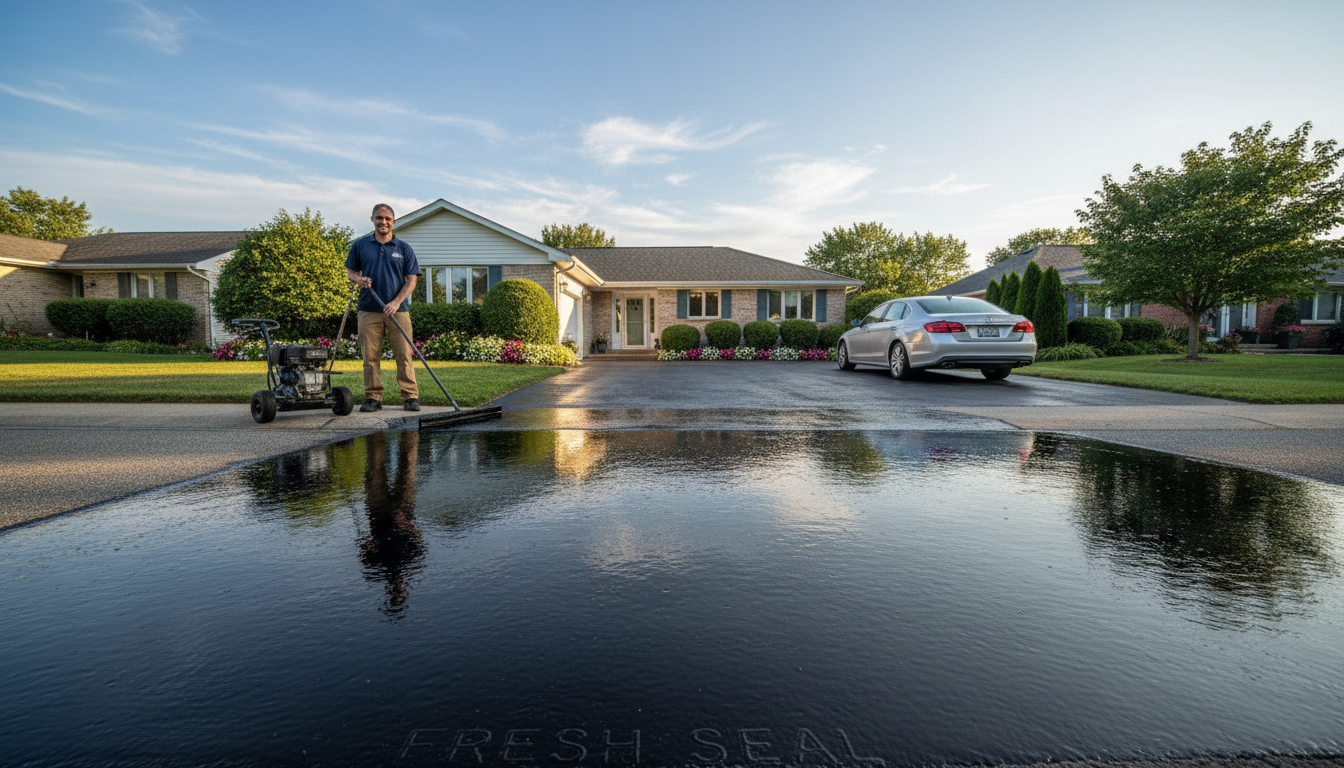
Sealing your driveway is a crucial step in protecting it from the harsh winter elements. Sealer acts as a barrier against moisture and can help prevent cracks from forming. Choose a high-quality sealant and apply it evenly across the surface.
It’s best to do this on a day when the weather is dry and temperatures are moderate. Avoid sealing if the forecast predicts rain or extreme cold soon after application, as this can affect the sealant’s effectiveness.
Improve Traction
Once your driveway is repaired and sealed, consider improving traction to prevent slips and falls during icy conditions. Applying a layer of sand or kitty litter can provide extra grip. These materials are inexpensive and easy to spread across the surface.
Prepare for Snow Removal
Ensure you have the necessary tools and equipment ready for snow removal. A sturdy snow shovel or snow blower can be invaluable. If you use a snow blower, make sure it’s serviced and in good working order before the first snowfall.
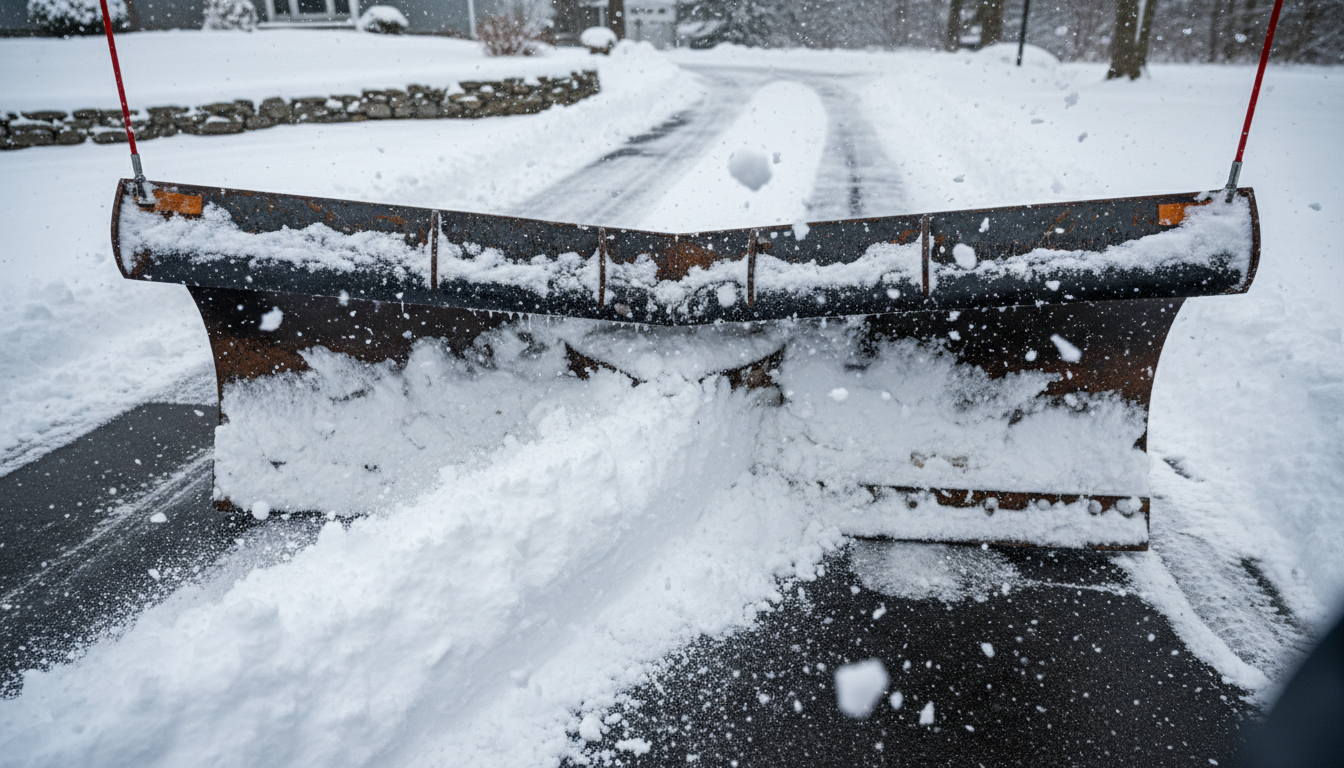
Consider marking the edges of your driveway with stakes or flags. This will help guide snow removal efforts and prevent damage to your lawn or landscaping.
Stock Up on De-Icing Products
Having de-icing products on hand is essential for managing icy conditions. Rock salt and calcium chloride are common choices, each with their own advantages. Rock salt is more affordable, while calcium chloride works at lower temperatures.
- Rock Salt: Effective and affordable, but can be harsh on concrete and plants.
- Calcium Chloride: More expensive but effective at lower temperatures and less damaging.
Choose the product that best suits your needs and ensure you have a sufficient supply before winter sets in.
Regular Maintenance Throughout Winter
Once winter arrives, regular maintenance is key to keeping your driveway in good condition. Promptly remove snow and ice, and reapply de-icing products as needed. This proactive approach will help minimize damage and extend the life of your driveway.
By following these expert tips, you can ensure your driveway is well-prepared for winter, reducing the risk of damage and ensuring safety for you and your family.